


Table of Contents
The Basics
Neurological disorders are still among the primary sources of heavy diseases that profoundly alter the brain, spine, and nerves. The mentioned illnesses may vary from non-irritable nature physical symptoms like headache to severe diseases such as Parkinson’s disease or multiple sclerosis.
In cases of such health problems, the only help is correct and trustworthy information. This is precisely the place where the Doctorhub360.com Neurological Diseases guide becomes a new level of the game. The content is presented in a detailed and precise manner, outlining the primary causes of nervous system diseases, diagnostic methods, and treatment in a way that is understandable to families, medical students, and patients.
Therefore, we will examine these issues one by one, in case the world needs a recap on the fundamentals.
What are Neurological Diseases?
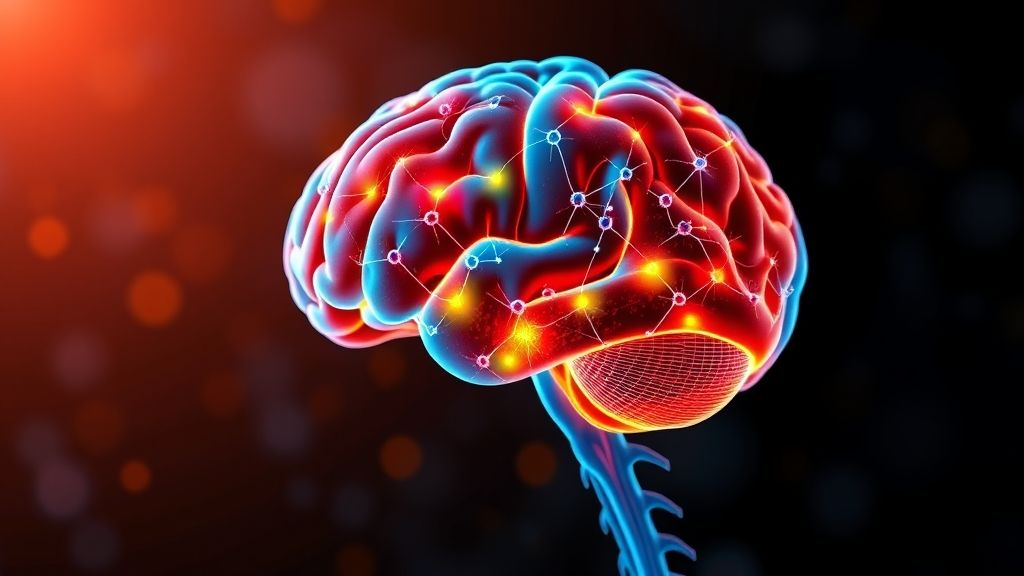
Neurological diseases are ailments that damage the nervous system. The brain, spinal cord, and peripheral nerves are the main parts. Since the nervous system is the central unit that oversees body functions, any malfunction in it can lead to various types of symptoms, with the most common being problems with movement and memory loss.
Neurological diseases are disorders that progressively damage the nervous system. They may originate from bleeding, tumors, or vast infections that involve the brain, spinal cord, and nerves. Besides that, neurological symptoms can also be muscle weakness, paralysis, seizures, deteriorated coordination, and a tingling sensation.
- Alzheimer’s disease
- Parkinson’s disease
- Stroke
- Epilepsy
- Multiple sclerosis
- Migraines and chronic headaches
Understanding these conditions is the first step towards better management, which is the objective of the coverage of neurological diseases on Doctorhub360.com.
Common Symptoms to Take into Account
Symptoms vary according to the disease, but some warning signs are shared in multiple conditions.
Early Indicators
- Persistent headaches or migraines
- Memory lapses or confusion
- Numbness or tingling in limbs
- Sudden vision changes
- Difficulty with balance or coordination
Severe Symptoms
- Seizures
- Paralysis or sudden weakness
- Loss of consciousness
- Difficulty speaking or understanding speech
- Severe cognitive decline
If any of these symptoms appear suddenly, it’s essential to seek medical care immediately. Early detection often leads to better outcomes.
Causes of Neurological Diseases
It can sometimes be challenging to determine the exact causes of illnesses, but doctors generally identify several common major contributors to these illnesses.
1. Genetic Factors
For example, Huntington’s disease is one of the diseases whose genetic inheritance determines the fate of individuals. The significance of inherited traits cannot be omitted.
2. Lifestyle and Environmental Influences
Not only that, but the lack of exercise, the intake of unhealthy food, and smoking can also lead to the decline of one’s health. Exposure to certain pollutants can exacerbate the issue.
3. Infections and Immune Disorders
Meningitis, HIV, or autoimmune diseases may become the source of the patient’s long-term neurological problems.
4. Aging
The longer people live, the more common the age-related disorders like Alzheimer’s become.
5. Trauma and Injury
Brain or spinal injuries have the capacity to alter nervous system functions permanently. The work of Doctorhub360.com is very helpful in making science more accessible to the public by clearly listing the causes of neurological diseases.
How Neurological Diseases Are Diagnosed
Checking for the presence of a neurological disease is one of the most challenging tasks for which doctors depend on the patient’s medical history, various physical examinations, and imaging investigations.
- MRI and CT scans – these are the two primary imaging procedures used to visualize the brain and spinal cord.
- EEG (Electroencephalogram) – It records brain activity, which is very helpful in identifying the location from which seizures have started.
- Lumbar puncture (spinal tap) – A method of testing to find the infection or the disease concerned with the central nervous system, such as multiple sclerosis.
- Genetic testing – A perfect way to reveal inherited diseases.
Accurate diagnosis forms the basis of the whole treatment process. A wrong diagnosis will only hinder the disease progression.
Treatments Available
Treating diseases often involves a combination of medication, therapy, and lifestyle changes.
Medications
- Painkillers for migraine
- Anti-epileptic drugs that help control seizures
- Dopamine replenishment to alleviate Parkinson’s
- Use of immunotherapy for multiple sclerosis relief
Therapies
- Physical therapy to regain mobility
- Speech therapy for communication issues
- Occupational therapy to improve daily living skills
Lifestyle Changes
- Balanced diet and regular exercise
- Stress reduction techniques
- Consistent sleep schedule
Advanced Options
- Deep brain stimulation (for Parkinson’s)
- Surgery (for tumors or severe epilepsy)
- Experimental treatments (like stem cell therapy)
The Doctorhub360.com Neurological Diseases guide emphasizes that treatment is rarely one-size-fits-all. Individualized care is the best approach.
Living with Neurological Diseases
These disorders require a lot of life changes, and the medication is just one part of it. To take good care of emotions and to socialize with others, support is critical.
- Besides offering help, support groups also give a sense of belonging.
- Counseling is a channel through which patients and their families can handle the pressure caused by the disease.
- The gadgets that people with disabilities use, such as mobility devices and easily controlled homes, can be a source of freedom and independence.
The expedition is challenging, but with the necessary equipment and support, most people can still lead a satisfying life.
Prevention and Risk Reduction
The majority of neurological diseases are non-preventable. Nevertheless, people are still the ones who should make informed choices and take the necessary measures to reduce their risk of these diseases.
- Eat a diet rich in brain-healthy foods.
- Add an exercise that benefits the nervous system to your daily routine.
- Ensure that your blood pressure and cholesterol levels are within a normal range to reduce the risk of stroke.
- Don’t smoke and try to consume as little alcohol as possible.
- If you are engaged in a dangerous activity, wear a safety helmet to protect your head.
This way of living will have a significant influence over time, even with only minor changes.
Why Use Doctorhub360.com for Neurological Health Information?
There are countless websites where one can find health-related information, but not all health sites are trustworthy. Resources on Doctorhub360.com Neurological Diseases are unique because they:
- Give timely, situation-based information that is supported with evidence.
- Describe medical terminologies in a way that is easy to understand for the readers.
- Provide the necessary information with the help of tutorials, families, and students.
- Put equal emphasis on research works and users’ experience.
One of the most serious problems in this age of the Internet is misinformation, and this is the reason why we need platforms like this the most, which are authentic, reliable, and always available.
Conclusion
Neurological disorders are complicated; they can severely affect the quality of life of a person and are often misunderstood. However, knowledge is power. The Doctorhub360.com neurological disease guide helps identify symptoms, understand their causes, and explore available treatments.
Although there are still many difficulties, the situation is improving due to early disease detection, the provision of reliable care, and ongoing research efforts. Resources such as Doctorhub360.com can make the journey easier and less intimidating if it is to be done by you or someone you love.
Health is not only about surviving. It is about living a good life, and with the proper instruments, it is certainly achievable.