

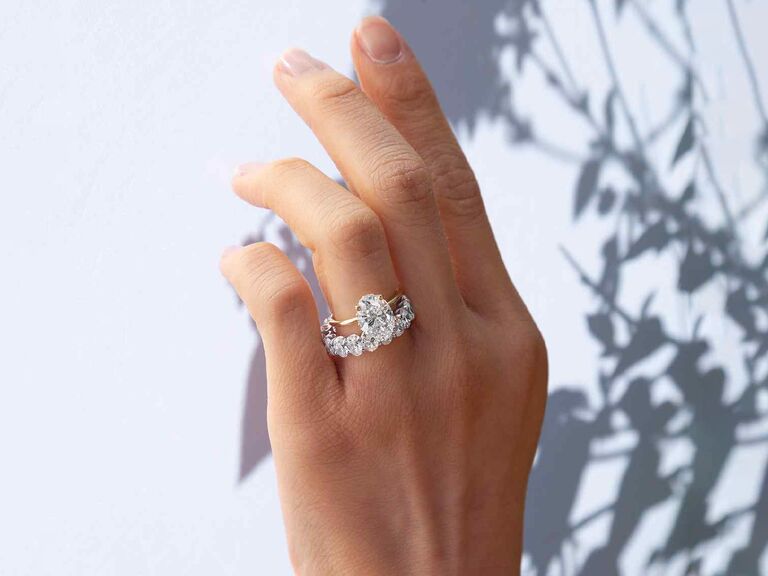
In today’s ever-evolving world of fine jewelry, style, ethics, and innovation are converging like never before. One of the clearest examples of this transformation is the rise of lab grown diamond necklaces. Elegant, timeless, and environmentally considerate, these pieces are reshaping what it means to wear and gift diamonds.
Traditionally, diamonds were synonymous with rarity, status, and enduring beauty. But recent shifts in consumer awareness—particularly around sustainability and ethical sourcing—have given rise to the popularity of man made diamonds, offering a guilt-free alternative without compromising on sparkle, durability, or prestige.
In this article, we’ll dive deep into the allure of lab-created diamond necklaces, the science behind man made diamonds, their benefits over mined stones, and how they’re influencing both fashion and values.
Table of Contents
What Are Lab Grown Diamonds?
Before we discuss why a lab grown diamond necklace is such a meaningful addition to your collection, it’s important to understand what lab-grown diamonds are—and what they are not.
Lab grown diamonds, also known as synthetic or cultured diamonds, are real diamonds. They share the same chemical composition, physical structure, and optical brilliance as their mined counterparts. The only difference? Their origin. These diamonds are created in highly controlled laboratory environments using advanced technological processes such as High Pressure High Temperature (HPHT) or Chemical Vapor Deposition (CVD).
These processes replicate the conditions that occur in nature, resulting in gemstones that are virtually indistinguishable from mined diamonds—even to a trained gemologist. And just like mined diamonds, lab-created ones are graded by the same standards: the Four Cs—cut, color, clarity, and carat weight.
Why Choose a Lab Grown Diamond Necklace?
1. Ethical Elegance
Ethical sourcing is a major factor driving consumers toward man made diamonds. Unlike traditional mining, which can raise concerns over environmental degradation and human rights abuses, lab-grown diamonds are conflict-free. They are traceable from start to finish, allowing buyers to shop with peace of mind.
If you care about the origins of your jewelry, a lab grown diamond necklace offers the confidence of sustainability and humane practices—without sacrificing beauty.
2. Stunning Visual Appeal
A diamond’s magic lies in its ability to reflect light in brilliant ways—and lab grown diamond necklaces do this just as well as mined ones. Whether set in delicate pendants, dramatic tennis necklaces, or minimal solitaire designs, lab-created diamonds sparkle with the same fire and brilliance.
They are available in a wide variety of cuts and styles, from classic round brilliants to modern emerald, cushion, or pear shapes. You can customize the perfect necklace to reflect your personality, your values, and your budget.
3. Cost-Effective Luxury
Perhaps one of the most compelling reasons to choose man made diamonds is their affordability. On average, lab-grown diamonds cost 30–40% less than their mined counterparts of similar quality.
This means you can opt for a larger or higher-grade diamond for the same price—or save money while still investing in a high-quality, lasting piece. When it comes to necklaces, this translates into more flexibility in design—larger center stones, multi-stone settings, or halo embellishments become more accessible.
Styles of Lab Grown Diamond Necklaces
The versatility of lab grown diamond necklaces makes them suitable for a variety of tastes and occasions. Here are some of the most popular styles:
Solitaire Pendant
Minimalist and timeless, the solitaire diamond pendant is a classic design that places a single diamond front and center. With lab-created stones, buyers can afford larger carat weights without straining their budget, making this style even more appealing.
Tennis Necklace
Once reserved for red carpet events, the diamond tennis necklace is enjoying a renaissance in everyday fashion. Featuring a continuous line of diamonds around the neck, this dramatic piece becomes more affordable—and sustainable—when crafted with man made diamonds.
Diamond Halo Necklace
A lab-created diamond center stone surrounded by a halo of smaller diamonds creates maximum sparkle. This design works well for both vintage-inspired and modern settings.
Personalized Necklaces
Names, initials, or birthstones paired with small lab-grown diamonds offer a thoughtful, meaningful gift or heirloom piece. These custom pieces combine personal sentiment with stylish aesthetics.
Lab Grown vs Mined Diamonds: What Are You Really Paying For?
It’s natural to ask: If lab grown diamond necklaces are so similar to mined ones, why are they so much more affordable?
The answer lies in the supply chain. Traditional diamond mining involves costly labor, long supply chains, and resource-intensive excavation processes. Lab-created diamonds cut down on these costs, leading to more accessible pricing for consumers.
Additionally, man made diamonds align with shifting cultural values. Increasingly, people are moving away from the outdated notion that love and worth must be proven through rare, expensive stones. Instead, the focus is shifting toward authenticity, shared values, and intentional choices. Lab-grown diamonds reflect this modern mindset beautifully.
The Environmental Edge of Man Made Diamonds
Mining diamonds comes with environmental consequences—from habitat destruction and soil erosion to carbon emissions and water pollution. Lab grown diamonds offer a cleaner alternative.
Studies have shown that lab-grown diamonds can have a significantly smaller carbon footprint and use less water per carat than mined diamonds. They also require no invasive earth displacement. While the lab production process does consume energy, especially with HPHT methods, many manufacturers are now turning to renewable sources, making the process even more sustainable.
When you choose a lab grown diamond necklace, you’re investing in beauty that doesn’t come at the cost of the planet.
The Growing Popularity of Lab Created Jewelry
What was once seen as an alternative is quickly becoming the norm. Celebrities, influencers, and designers are embracing lab grown diamonds not just for ethical reasons, but because they allow for greater creativity in jewelry design.
Retailers across the globe now offer extensive collections of necklaces, rings, earrings, and bracelets using lab-created stones. The growing acceptance and demand have also prompted luxury houses and high-end designers to incorporate these diamonds into their collections.
For everyday buyers, this means greater access to stylish, innovative, and eco-conscious jewelry options that don’t compromise on elegance or performance.
How to Choose a Quality Lab Grown Diamond Necklace
If you’re ready to purchase your own lab grown diamond necklace, keep the following in mind:
- Check Certification: Make sure the diamond is certified by a reputable gemological lab like IGI or GIA.
- Consider the Four Cs: Don’t skip evaluating cut, clarity, color, and carat. A well-cut diamond, regardless of origin, will always sparkle better.
- Think About Setting: Choose a metal and design that complements your lifestyle and personal style—whether it’s 18K gold, platinum, or a more modern mixed metal look.
- Buy from Trusted Retailers: Work with jewelers who specialize in man made diamonds and are transparent about sourcing, grading, and customization options.
Final Thoughts: A Sparkling Future
The world of jewelry is undergoing a remarkable transformation—and lab grown diamond necklaces are at the heart of this change. Offering the same stunning appearance and resilience as traditional diamonds, man made diamonds represent a future where luxury aligns with values, and beauty doesn’t come at the cost of the environment or ethics.
Whether you’re celebrating a milestone, treating yourself, or gifting a loved one, a lab-created diamond necklace is more than just an accessory. It’s a statement of conscious elegance—proof that brilliance can come from innovation as well as tradition.
So next time you shop for diamonds, don’t just ask how it looks—ask how it was made. Chances are, the answer could change everything.