


Table of Contents
Why You Should Rethink Throwing Away Peels
We’ve all done it, peeling fruits and veggies before eating or cooking. It feels natural, right? But what if you were told that those discarded peels might hold more nutrition than what’s inside? That’s exactly what wellhealthorganic.com : eat your peels: unlocking the nutritional benefits explores, a deep dive into the overlooked powerhouse parts of your food.
When you toss out the peel, you’re often throwing away fiber, vitamins, and essential antioxidants. In short, you’re discarding natural health boosters. The truth? Nature designed those peels for protection and nourishment, not waste.
The Science Behind Peels: Tiny Packages of Nutrition
1. Fiber That Fuels Your Gut
Peels are loaded with dietary fiber, which keeps digestion smooth and supports healthy gut bacteria. For example, apple skins alone contribute a good amount of soluble fiber that helps reduce cholesterol. Similarly, potato skins can aid in keeping blood sugar levels balanced.
According to wellhealthorganic.com : Eat Your Peels: Unlocking the Nutritional Benefits, consuming fiber-rich peels daily can help prevent constipation, improve gut health, and even assist in weight management. And here’s the bonus: more fiber keeps you full longer, naturally reducing snacking urges.
2. Vitamins and Minerals Hidden in Plain Sight
Did you know that orange peel contains more vitamin C than the orange itself? Are you in shock? Many peels are not only rich in vitamins A, C, E, and K, but also contain important minerals such as calcium, potassium, and magnesium. These minerals and vitamins provide nutrition and protection to the immune system, skin, and bones.
When wellhealthorganic.com writes the feature “eat your peels” as not only a memorable phrase but also a pointer that true nutrition is often less apparent than we think, it is saying something different.
3. Antioxidants: Your Defense Against Aging and Disease
The peels are loaded with antioxidants, for instance is the mThe.
The majority of polyphenols in apples are in the skin, a nd similarly, the majority of flavonoids in citrus fruits are in the rinds. These substances are antagonists of free radicals, which cause different pathologies by making these cells that compounds attack. Antioxidants have a role in anti-aging, immune system enhancement, inhibition of the oxidative stress-causing diseases, and lowering the risk of ailments such as cancer and cardiovascular diseases.
With the help of wellhealthorganic.com : Eat Your Peels: Unlocking the Nutritional Benefits, the intake of antioxidants from natural sources on a regulated basis is one of the ways that can keep your body healthy and younger, as it has self-repairing abilities.
Common Peels You Should (and Can) Eat
1. Apple Peels
Apart from being a great source of dietary fiber, these peels are also very rich in quercetin, a natural substance that possesses anti-inflammatory properties, so next time you eat apples, don’t forget to eat the peels too as a snack or dessert.
2. Potato Skins
How about that for news? The real treasure of potato peels is in iron content; however, along with that, they have high amounts of such minerals as potassium and vitamins of the B group. So, what are you waiting for?. Get dirty with potatoes, rub them off, and throw them in your oven for a delicious, nutrient-rich meal.
3. Cucumber Skins
What makes cucumber peel a true beauty ally is silica, which assists in retaining both beautiful hair and skin. Apart from that, they are water-rich and full of antioxidants. When You Prepare Cucumbers For Salads Or Smoothies, Do Not
4. Carrot Peels
Carrots are one of the beta-carotene-rich vegetables, and most of this substance is found right under the skin. It is good practice to wash well and not to get into the habit of using the peeler; simple as that.
5. Citrus Peels
Certainly, the zest of these fruits: oranges, lemons, and limes brings taste to the food, but however, since citrus peels can be bitter, use them sparingly or candied.
As wellhealthorganic.com: eat your peels: unlocking the nutritional benefits explains, eating peels is about being mindful, knowing what’s safe, how to prepare it, and how to enjoy it creatively.
Safety First: How to Eat Peels the Right Way
Before you jump into munching every peel, let’s talk safety. Some peels can harbor pesticides or wax coatings. Always wash fruits and vegetables thoroughly, preferably with a vinegar-water rinse. Organic produce is best when you plan to eat the skins.
Avoid eating peels from:
- Waxy or pesticide-heavy fruits (unless organic)
- Hard or bitter peels like pineapple and avocado
- Non-edible skins like those of melons
wellhealthorganic.com recommends soaking produce in warm water with baking soda to remove chemicals before consumption.
Creative Ways to Add Peels to Your Diet
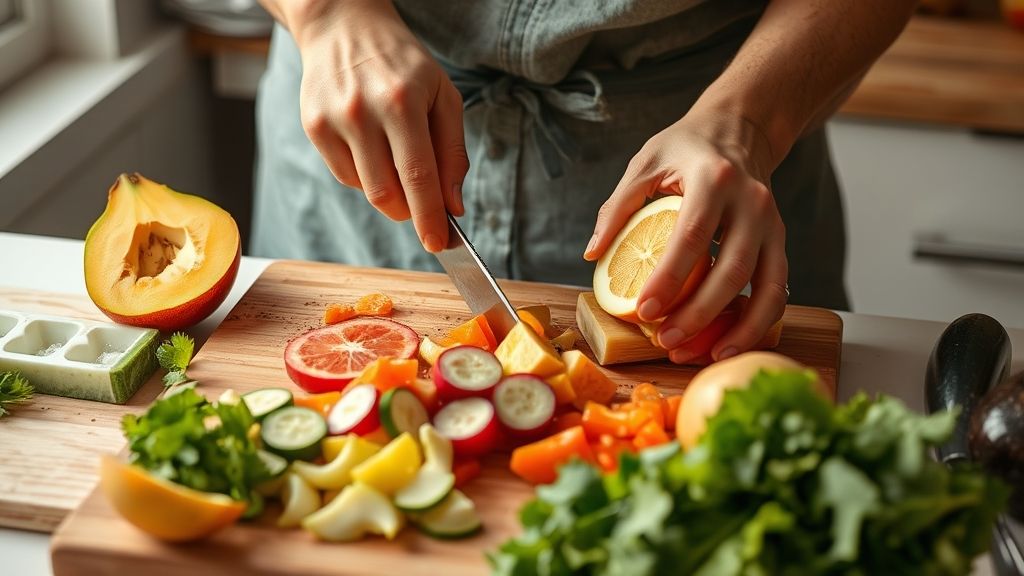
1. Smoothies
Do not throw away the peels of apples, pears, and cucumbers. You can very well add them to your smoothie, and the super nutrients will be delivered to your body in an invisible way, as they are not recognized by you.
2. Zests and Garnishes
What is wrong with using lemon peel juice in salads, confectionery, or tea? Along with making the food delicious, it also serves as a Vitamin C intake booster.
3. Crispy Snacks
Just think about how the peels of potatoes or carrots can be taken, olive oil and some spices drizzled on them, and then roasted? They get crunchy, healthy chip-like snacks. A snack without any guilt!
4. Homemade Broths
Place vegetable scraps in a pot of water to create a nutrient-rich broth base. It is both eco-friendly and delicious.
As we can see from wellhealthorganic.com : Eat Your Peels: Unlocking the Nutritional Benefits, changing our perception of food waste just a little can have huge positive effects on our health.
Environmental and Economic Benefits
Peeling off the edible layer is not only good for you, but it is also good for the planet. Reducing food waste means fewer discarded scraps, less methane from landfills, and more efficient use of natural resources. It is a small gesture that has a great effect.
Besides that, you are saving money by using every bit of the fruits and vegetables. WellHealthOrganic.com states that eating peels is a wise, eco-friendly habit that harmonizes personal health with sustainability.
Final Thoughts: Nature Knows Best
At the end of the day, wellhealthorganic.com : eat your peels: unlocking the nutritional benefits teaches a simple truth: nature packs nutrition where we least expect it. Those colorful, tough, or tangy peels you throw away? They might just be the healthiest part of your meal.
So next time you reach for that peeler, pause. Wash it instead. Eat it. Enjoy it. Your body (and the planet) will thank you.
Key Takeaway
- Peels are rich in fiber, vitamins, and antioxidants.
- Always wash produce thoroughly before eating.
- Incorporate peels creatively — smoothies, snacks, and broths work best.
- Following the advice from wellhealthorganic.com : eat your peels: unlocking the nutritional benefits can naturally elevate your health and reduce food waste.